Musée Vesunna, site-musée gallo-romain (2003)
Ateliers Jean Nouvel
Périgueux
La domus (Iᵉʳ siècle apr. J.-C.) à l’origine du musée a été découverte en 1959 et classée monument historique en 1963. Après une longue période de fouilles, un concours d’architecture a été lancé pour concevoir un musée ; Jean Nouvel l’a remporté en 1993.
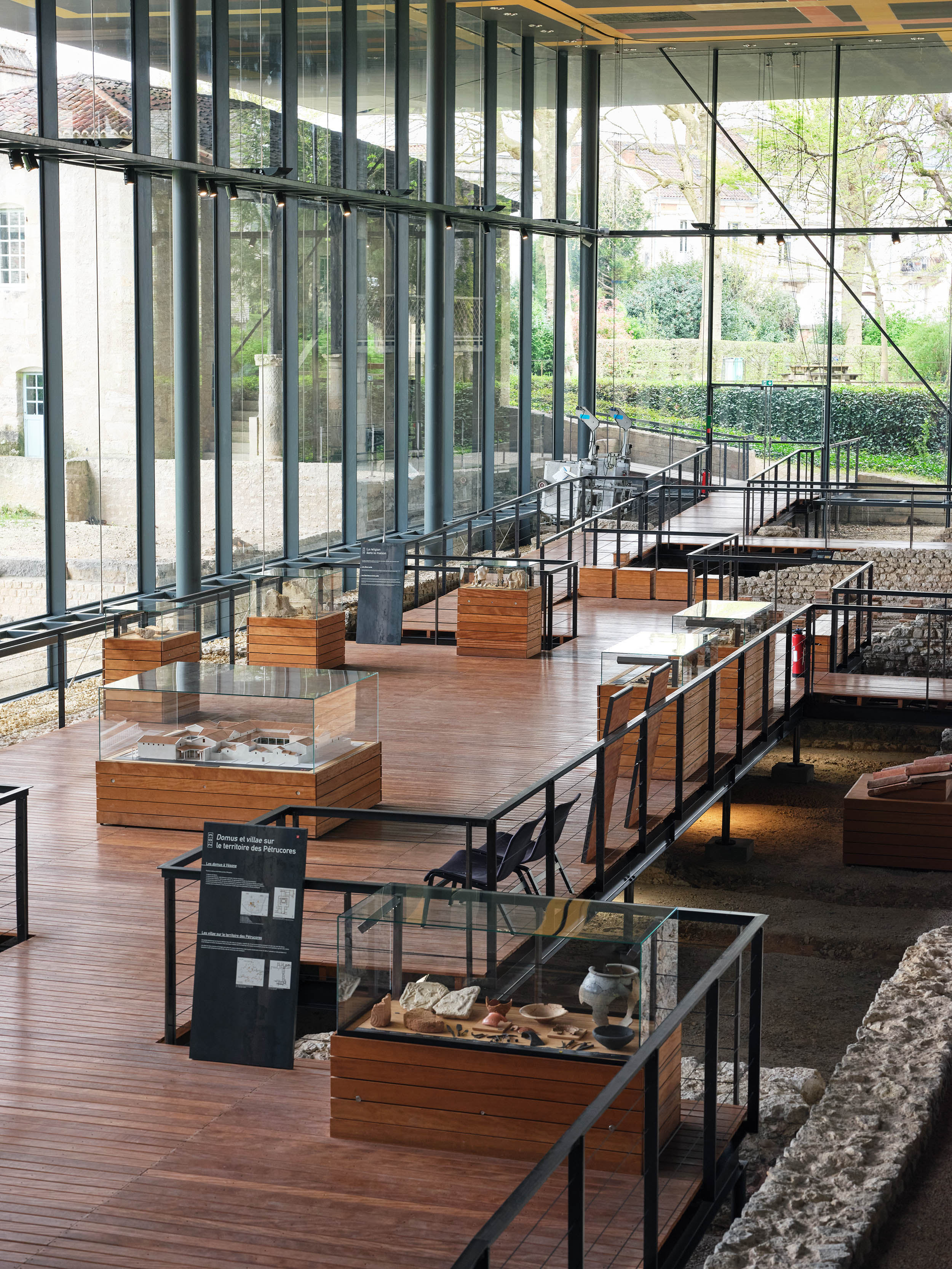
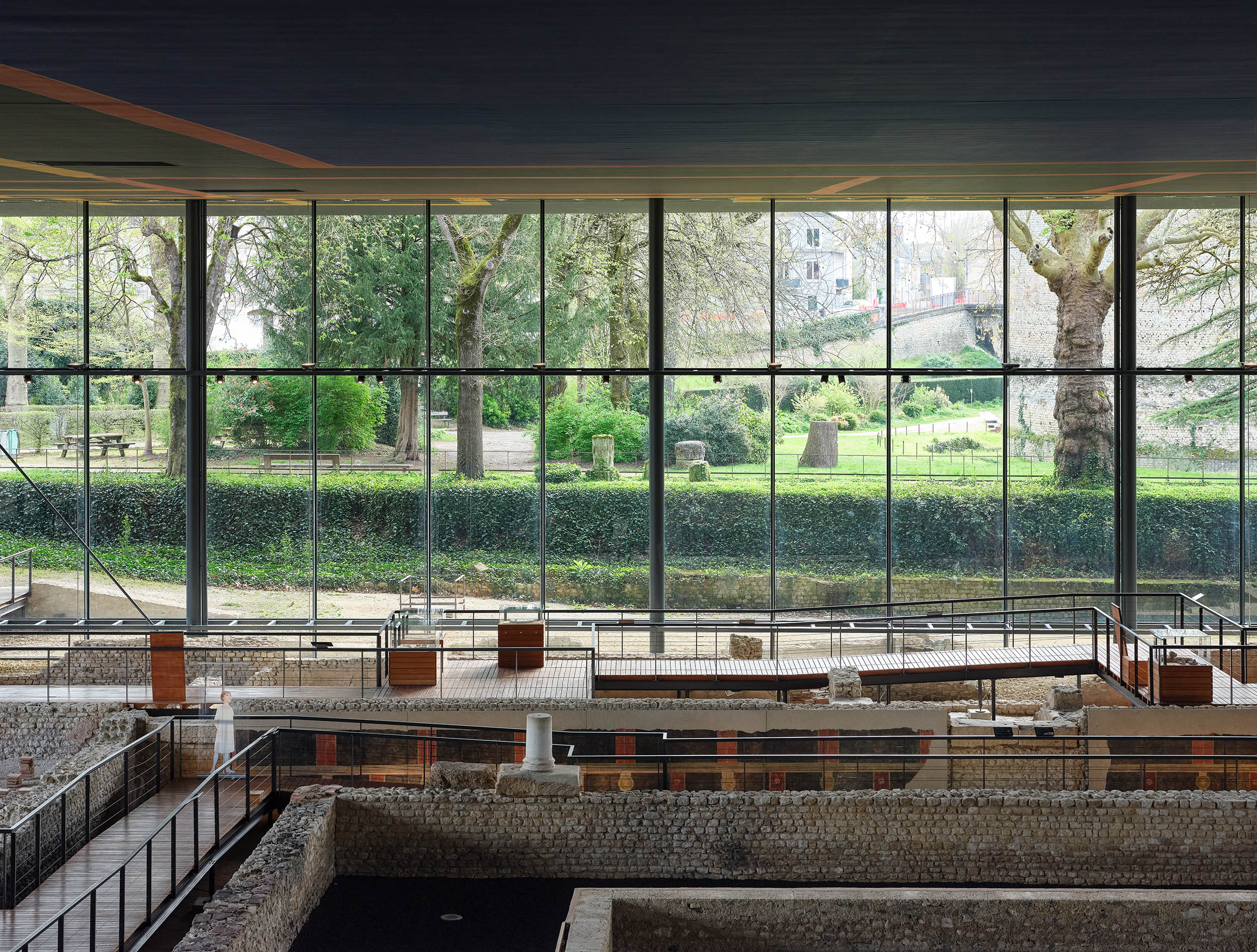
Jean Nouvel définit ainsi son projet architectural : « le but est de mettre en valeur le site. Ce qui était très important, c’était de le protéger, de garder sa poétique de site archéologique. La construction est une sorte de grand parapluie […]. Par ailleurs, j’aime beaucoup les sites archéologiques quand ils sont conservés de façon très naturelle et un peu brutale […]. Dans ce projet il y a donc la volonté de faciliter la lecture de l’ensemble […] mais aussi le désir de maintenir cette étendue, cette « non limite » du site archéologique. […] C’est un chantier qui utilise clairement les moyens de notre époque avec une structure métallique assez élaborée.» (entretien paru dans Le Festin, n° 23-24, avant le début du chantier)
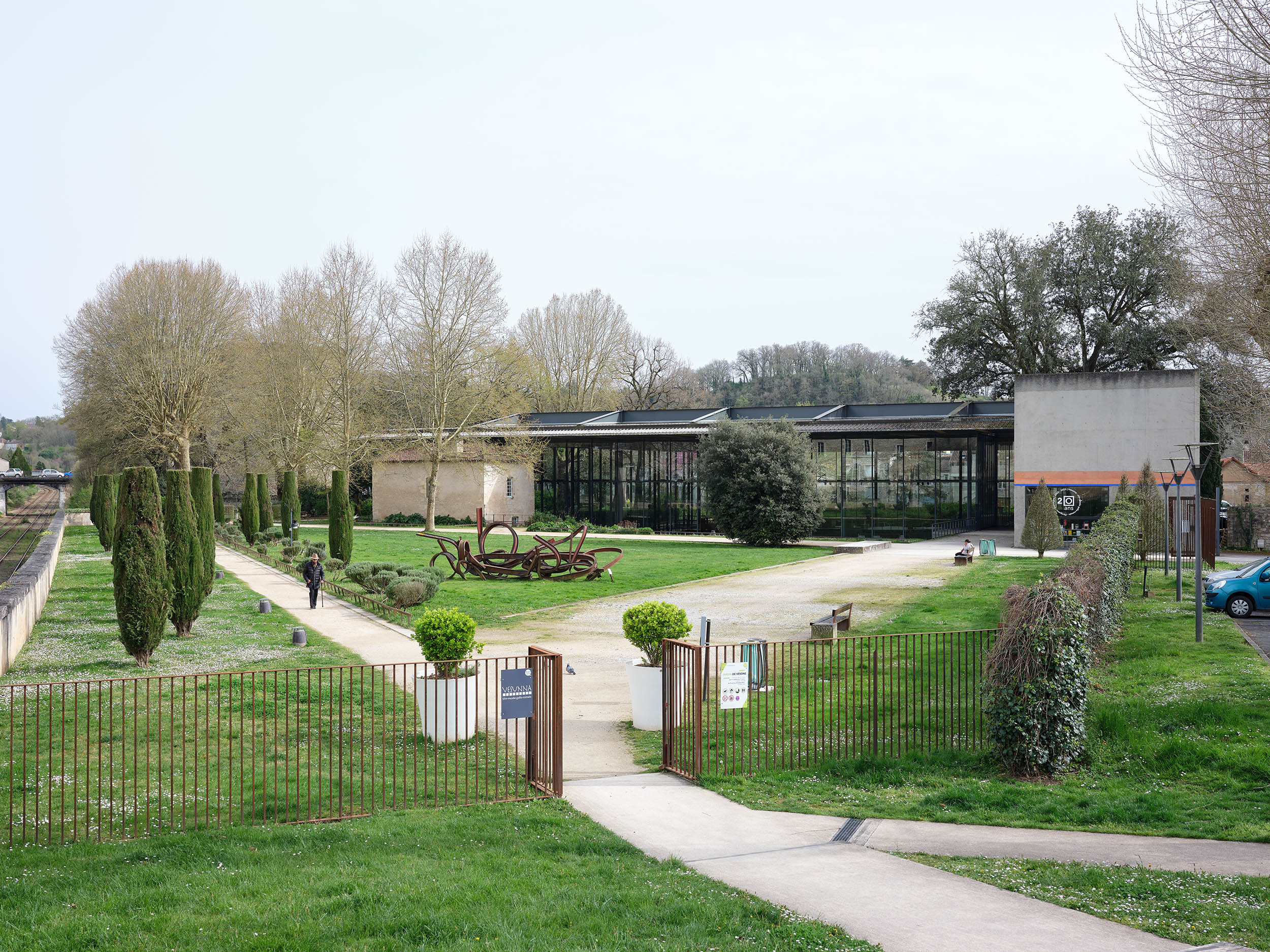
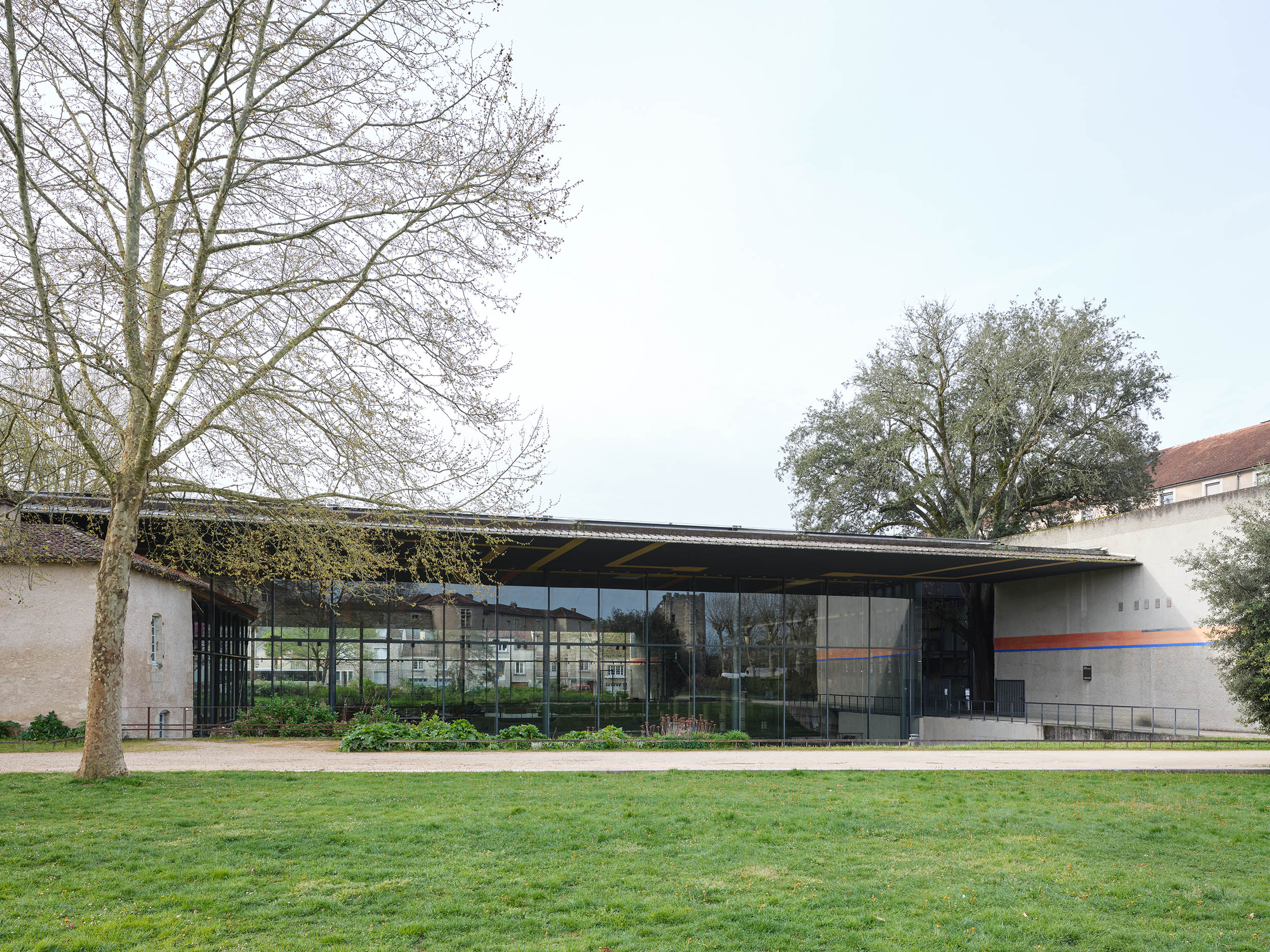
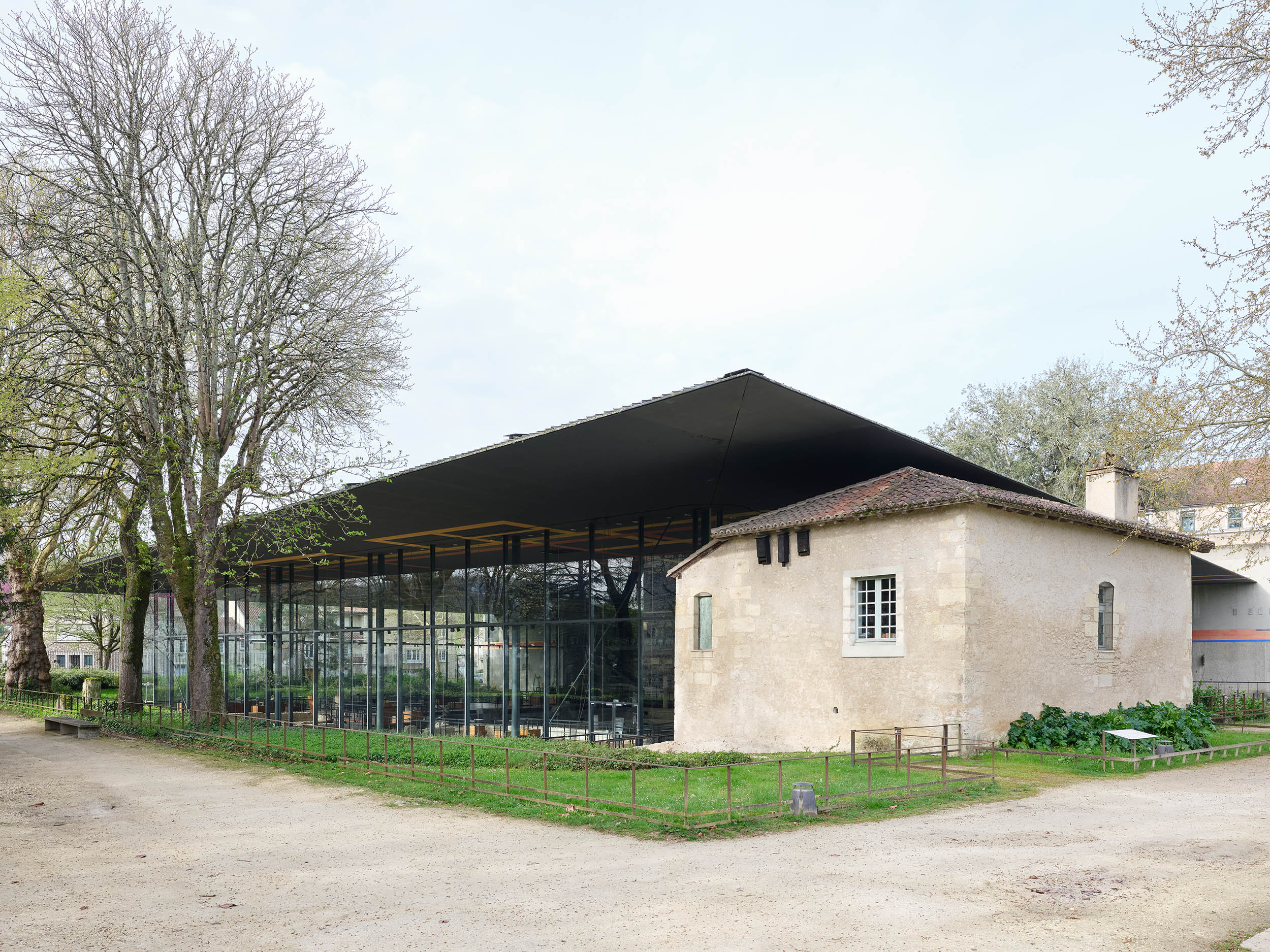
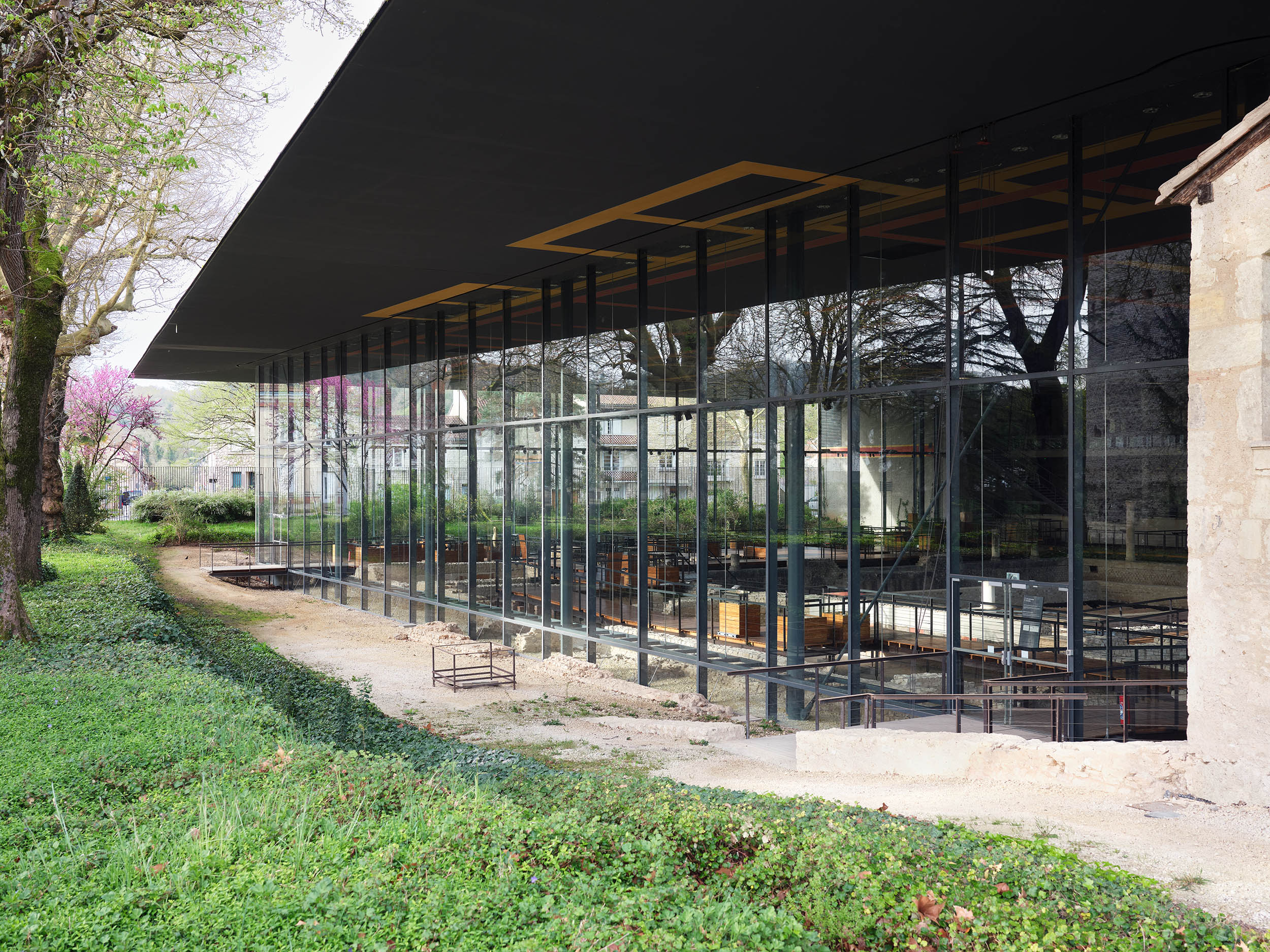
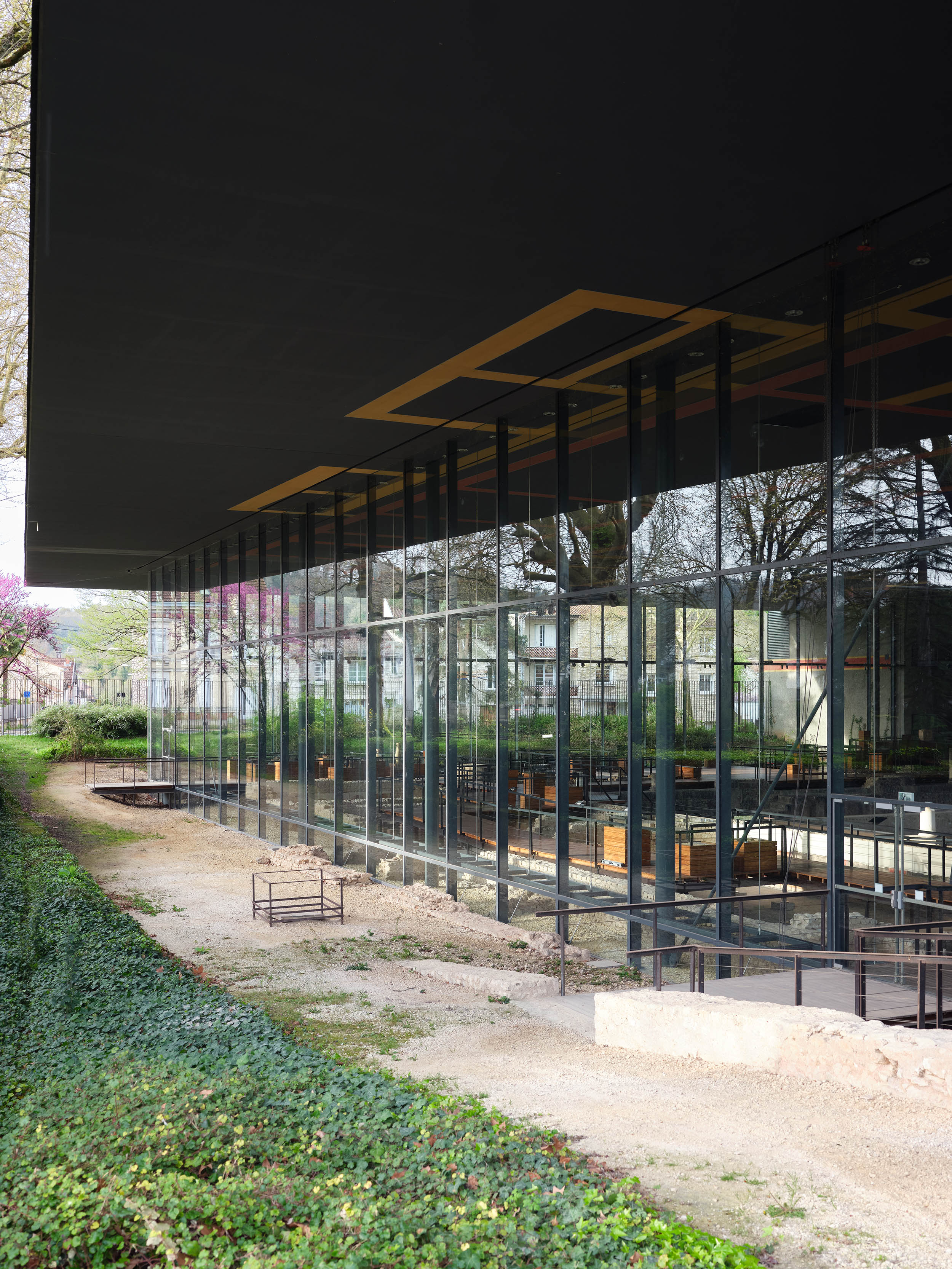
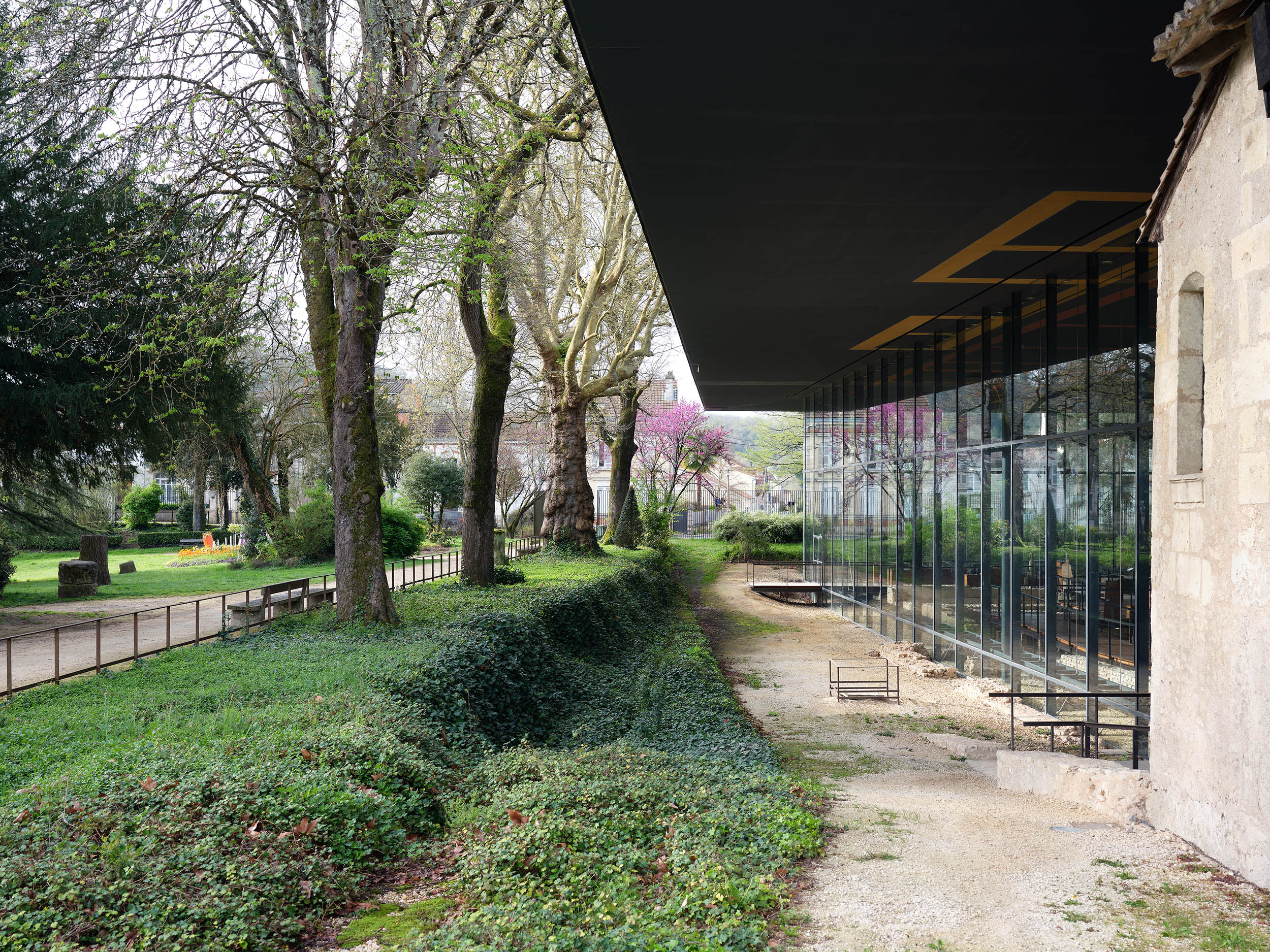
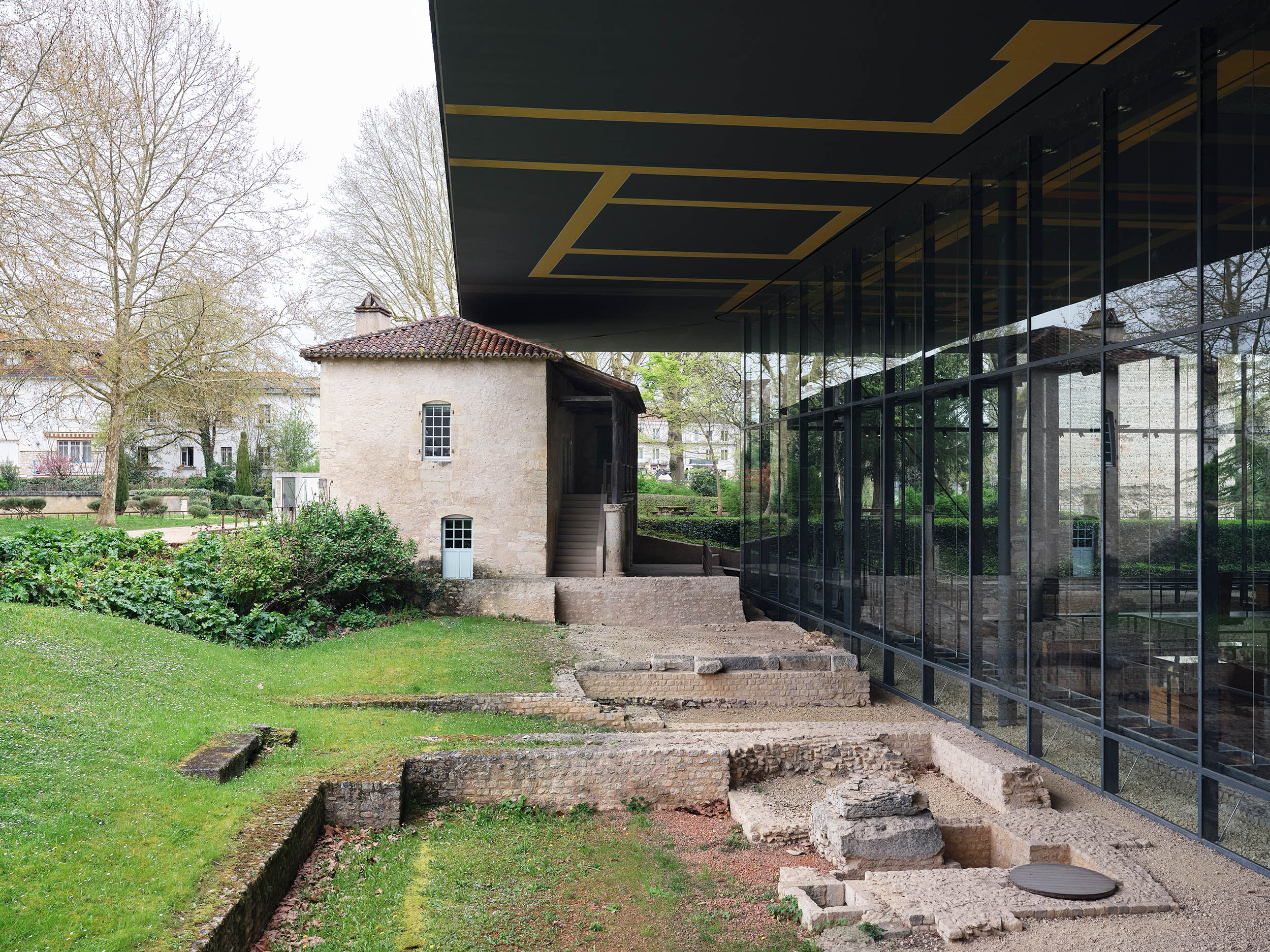
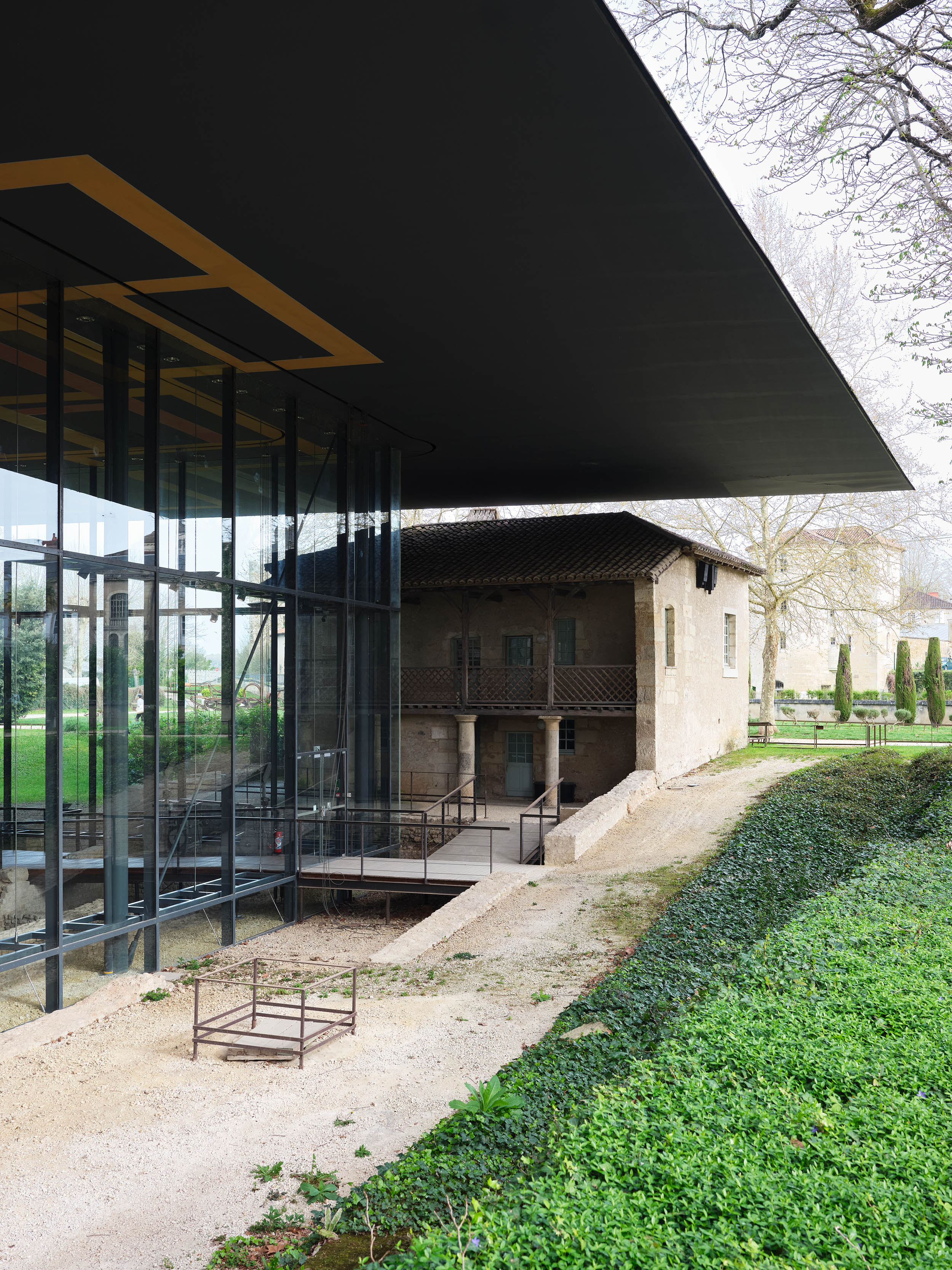
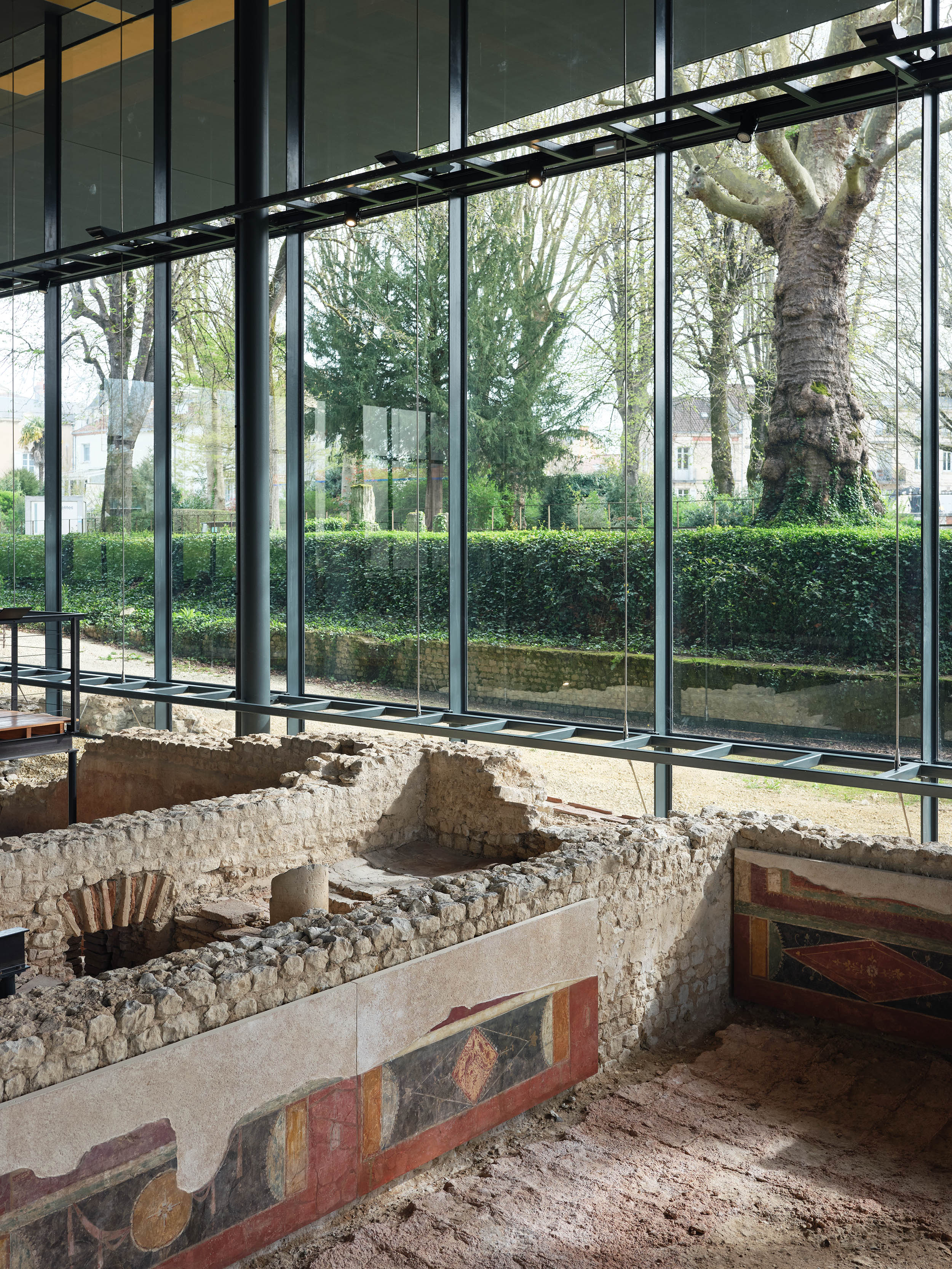
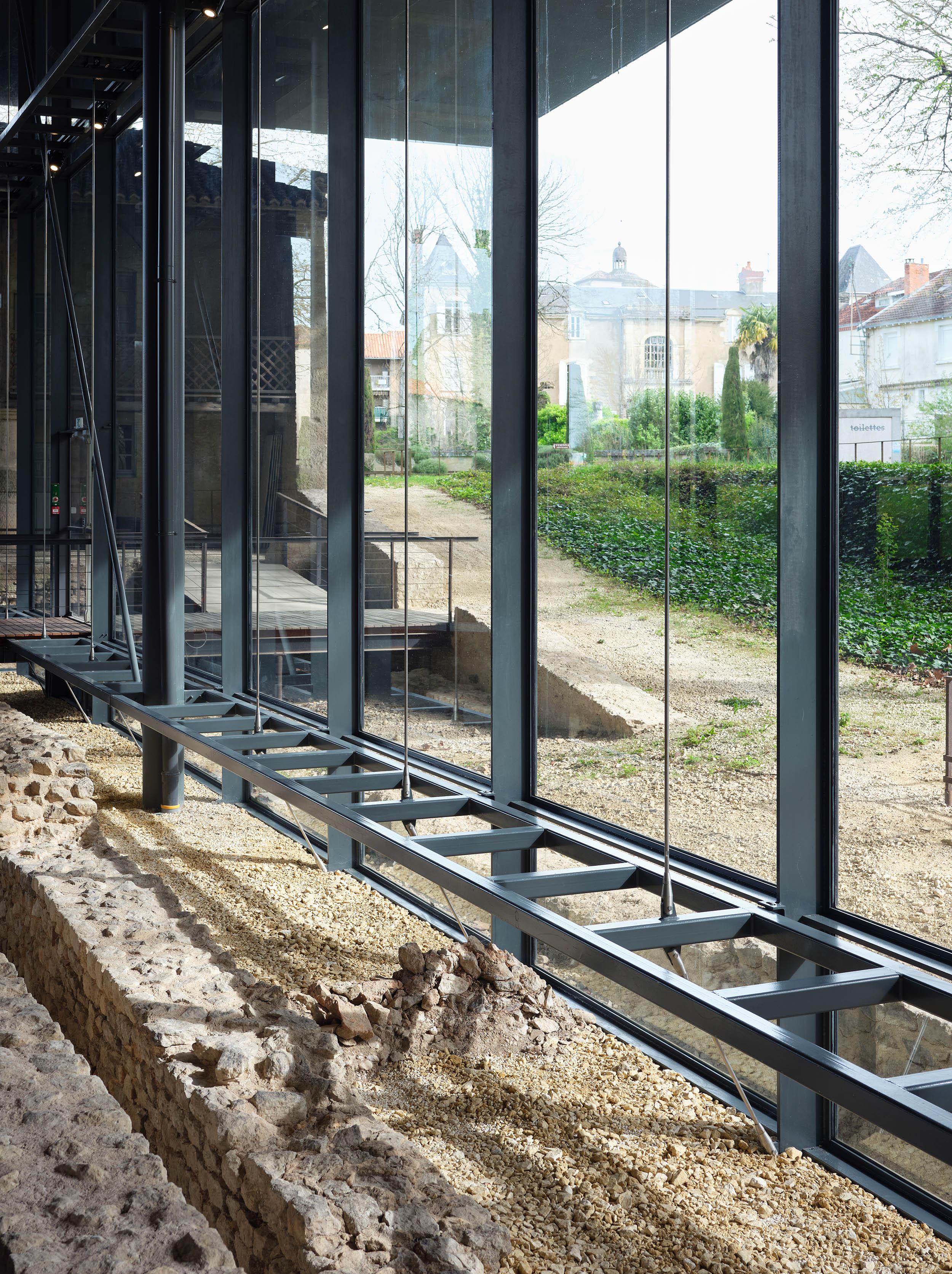
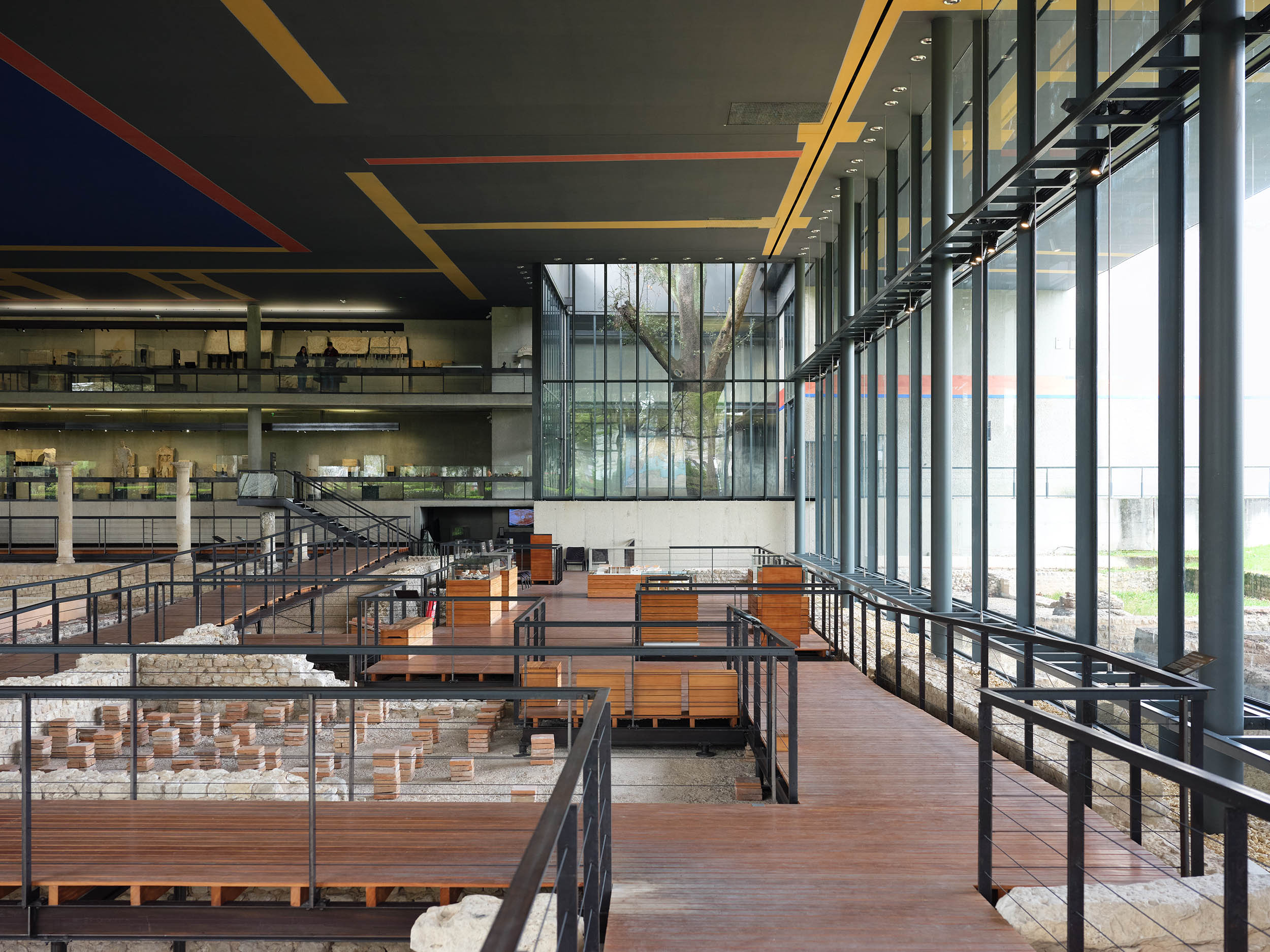
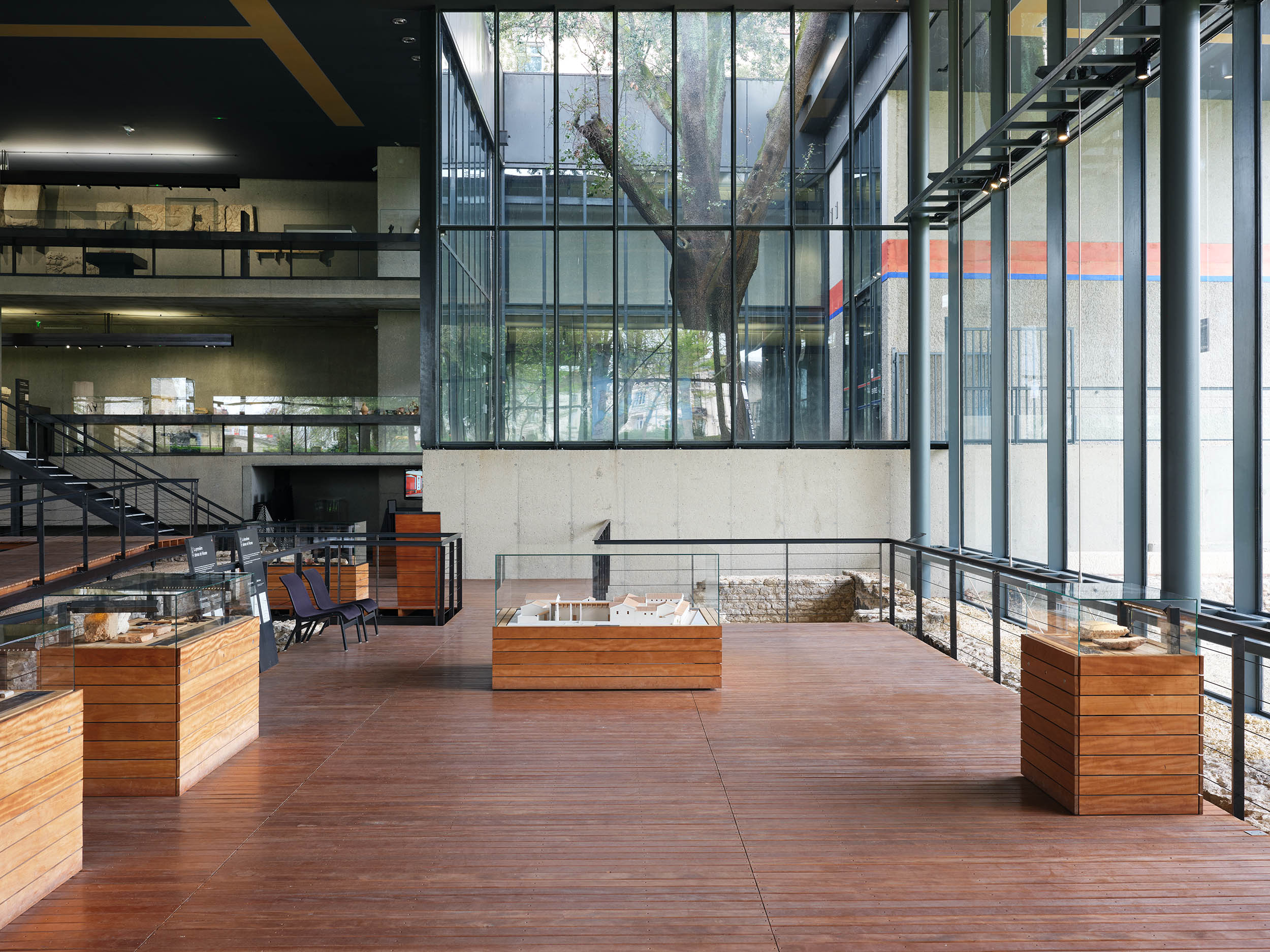
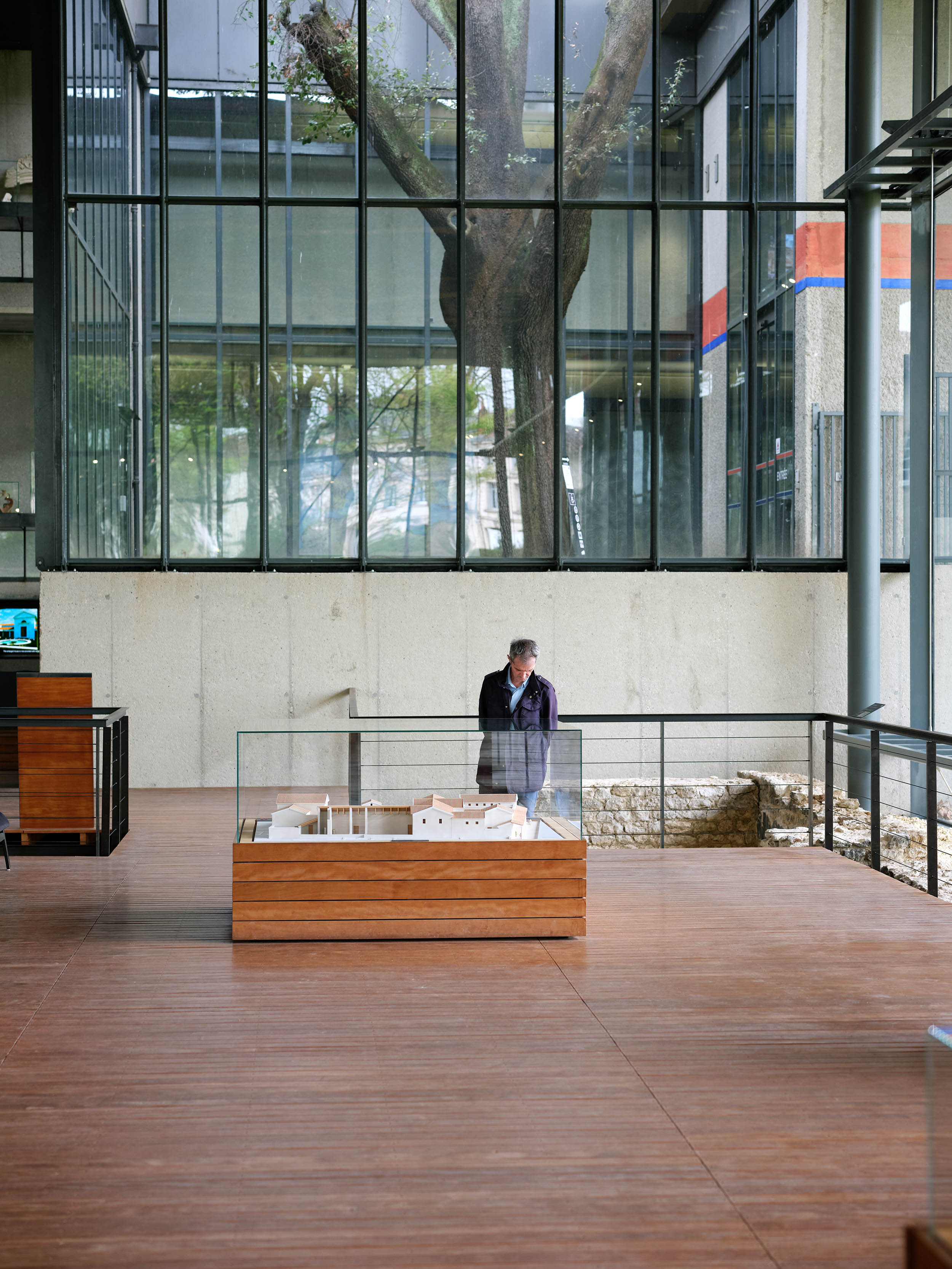
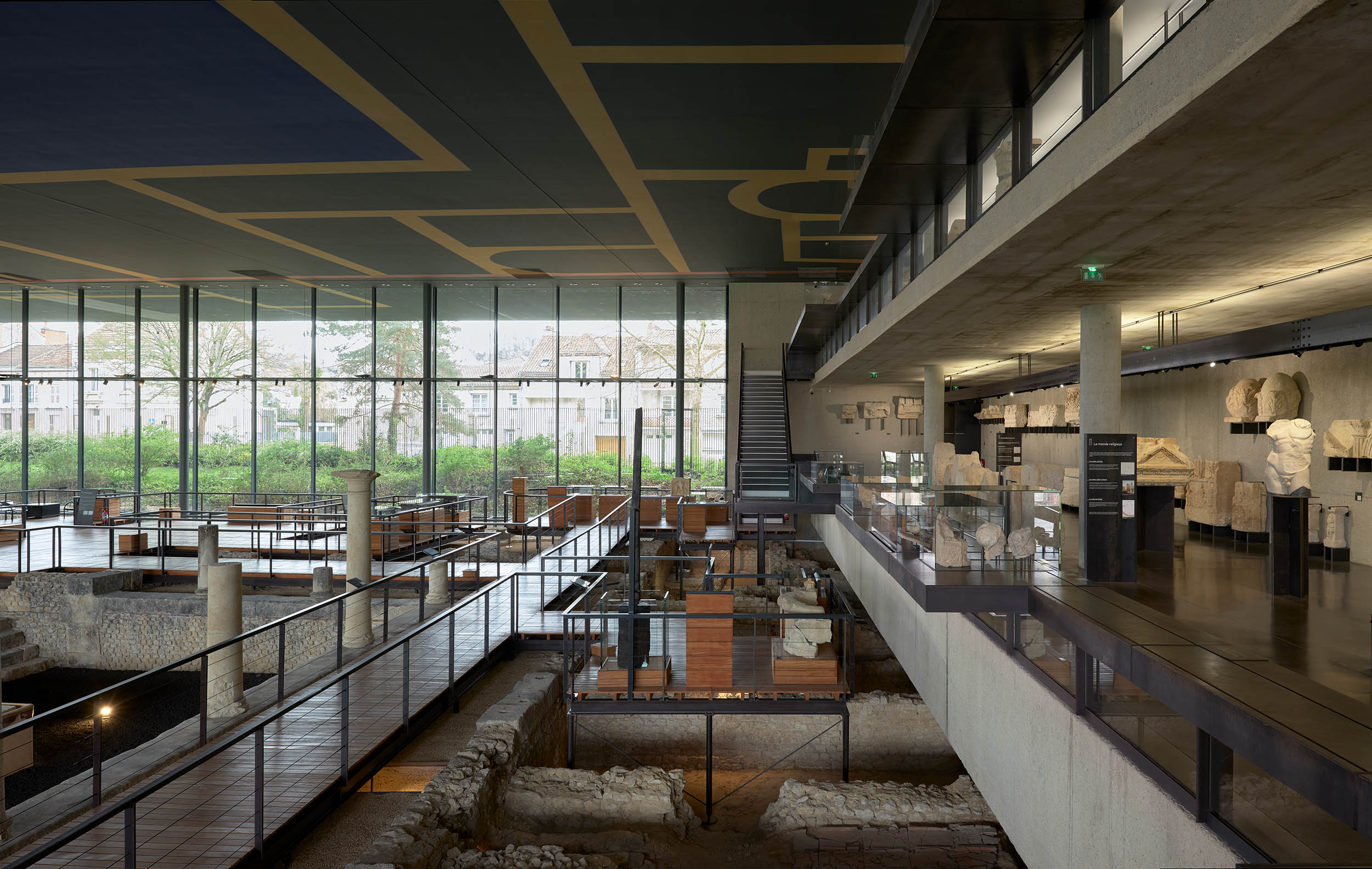
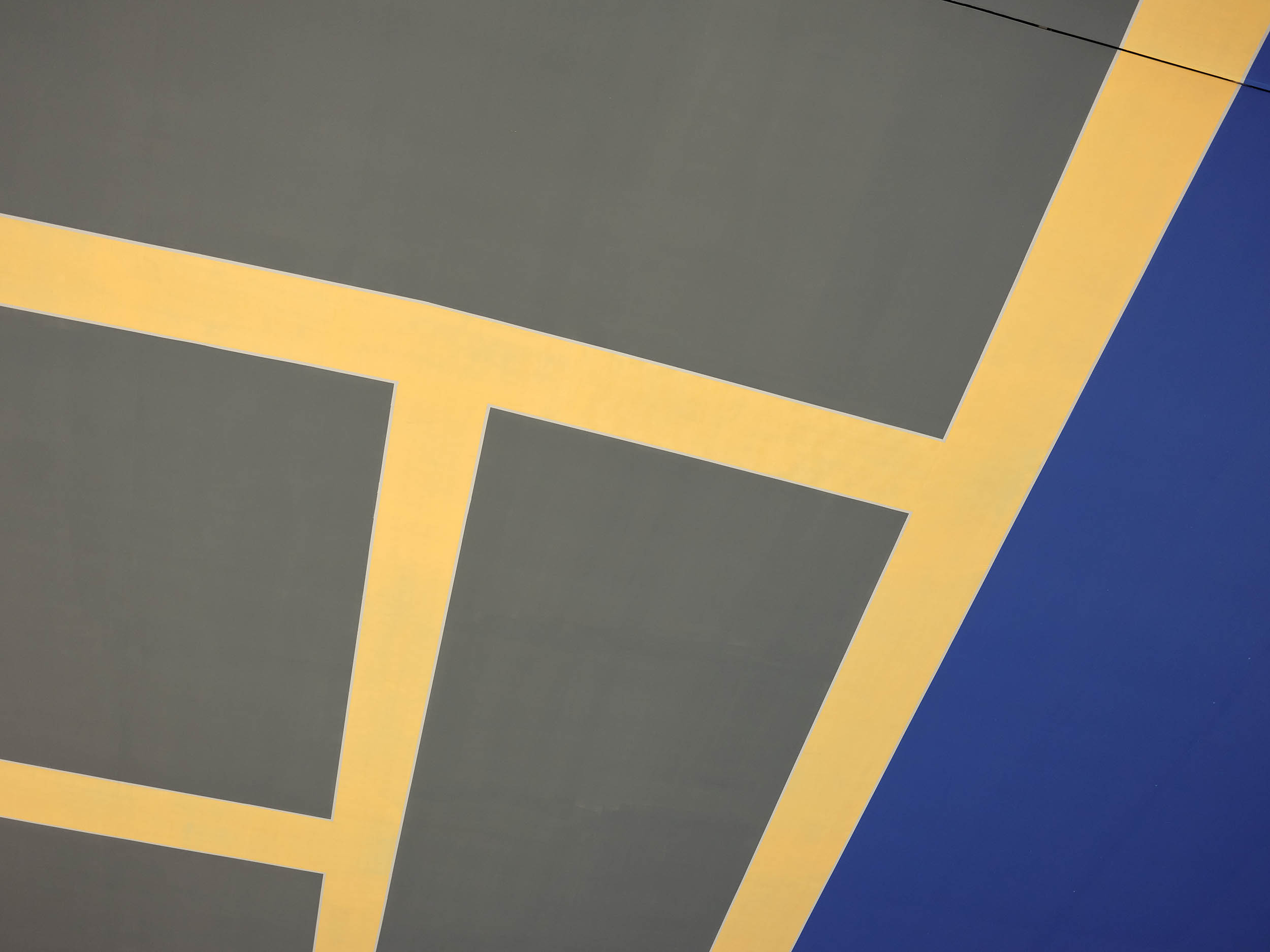
Le musée se compose de deux éléments : le « mur épais », un bloc de béton situé à l’angle nord-ouest du bâtiment, qui abrite au rez-de-chaussée l’accueil et la boutique (qui n’était pas prévue à l’origine) et, à l’étage, des collections liées à la ville de Périgueux ; et la « grande verrière », vaste structure de verre qui enveloppe les vestiges du site antique. Hormis ses piliers, cette structure n’a pas de fondations : elle est simplement posée sur le sol. Elle est couverte d’un toit qui déborde largement au-delà des murs. Le plafond est orné d’une reproduction du plan de la domus peinte par Alain Bony.
Commande du ministère de la Culture (2024) dans le cadre du label « Architecture contemporaine remarquable ».